I’ve created four dedicated look development tools built to support projects from pre-production through delivery, in close collaboration with cinematographers. They extend the possibilities of standard grading workflows, allowing for a more cohesive and creative approach to look development.
GREEENHANCER
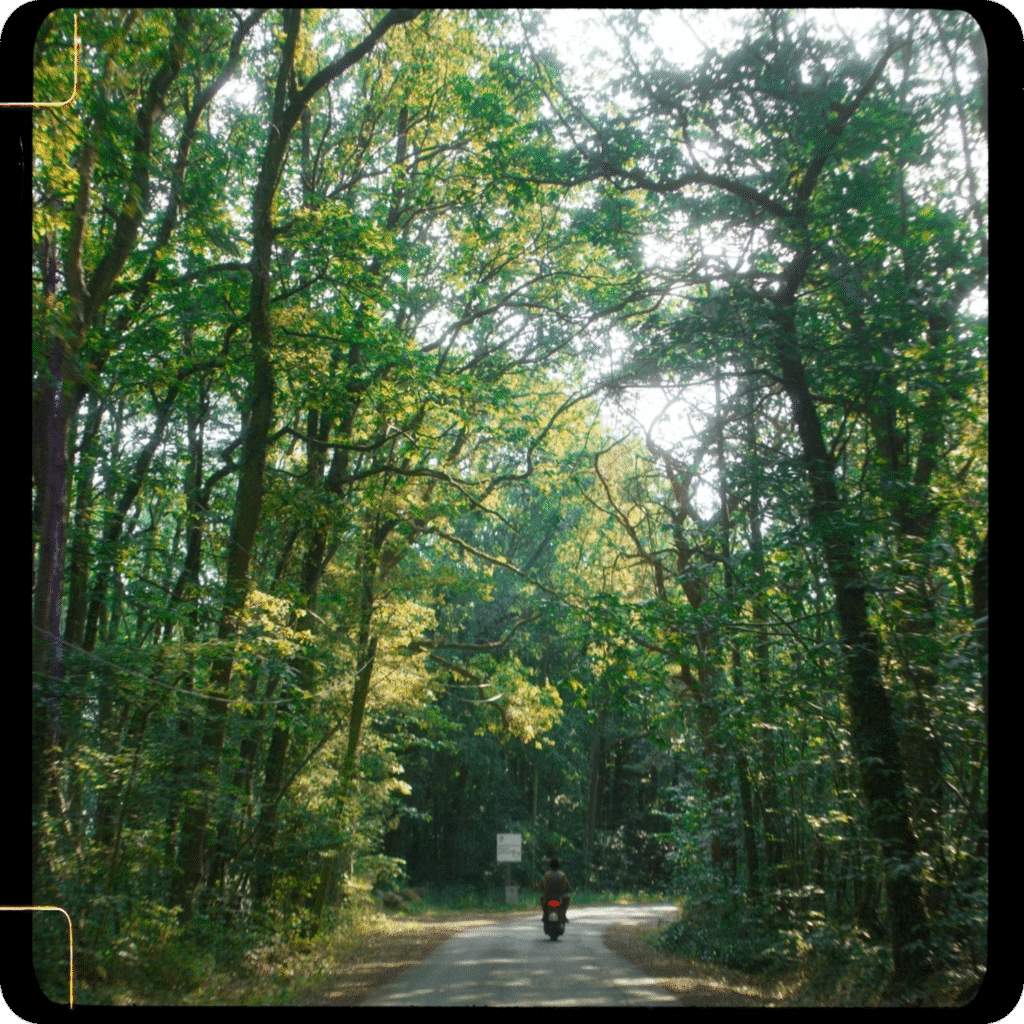
The GREENHANCER DCTL enhances the rendering of greens in an image with a single click. A common issue, especially with certain camera manufacturers, is the flat, artificial feel of images with abundant vegetation, despite sensors capturing a wide range of green hues and being photometrically accurate. This tool improves the visual richness by introducing subtle color separation. The result is a more dynamic representation of foliage and greenery, closely matching our subjective memory of nature’s vibrant tones.
CHROMATIK
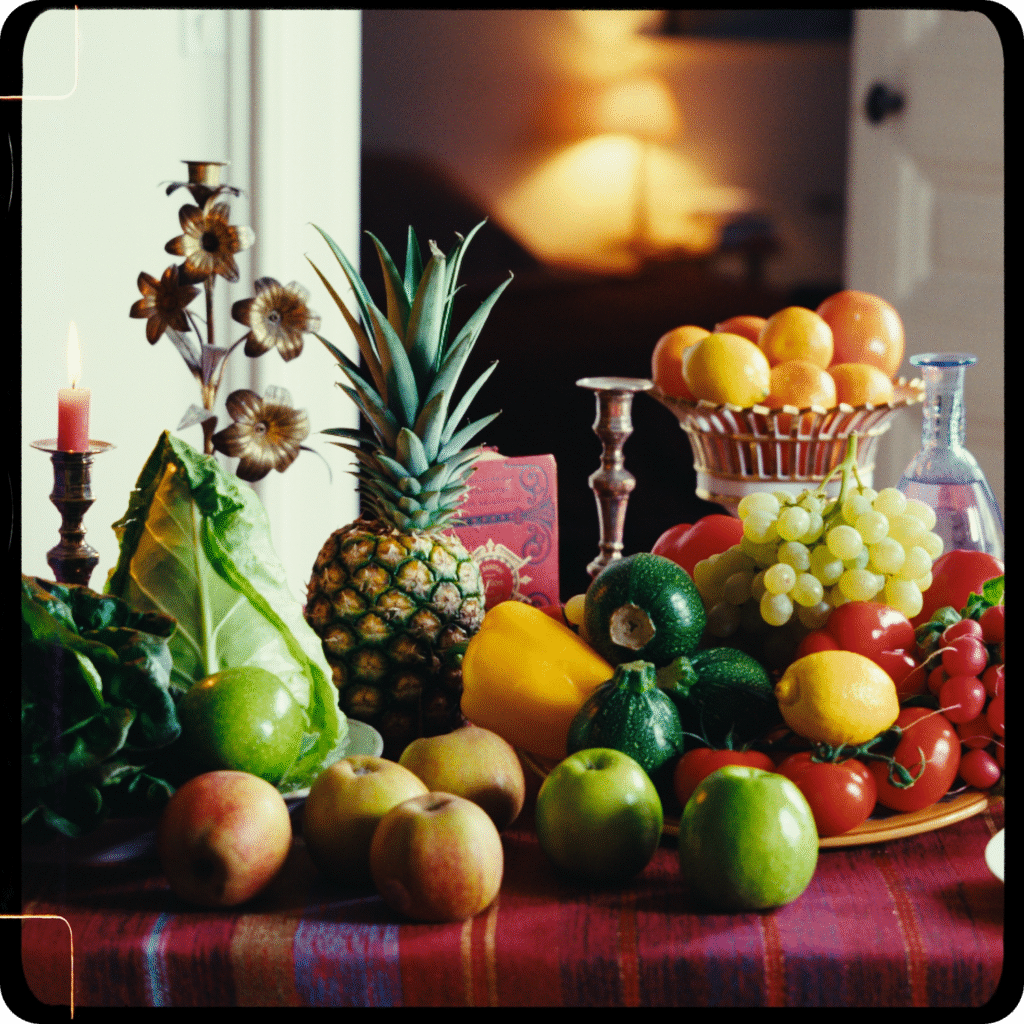
CHROMATIK provides advanced control over an image’s color palette. It allows you to isolate colors based on their hue and independently adjust their brilliance (density), saturation, and even shift them toward neighboring hues. What makes this tool so powerful is its mathematical model, offering much finer and more controlled adjustments compared to Resolve’s less precise models. This results in more accurate and nuanced color manipulation, enabling the creation of truly unique looks.
DEEPCUVRE
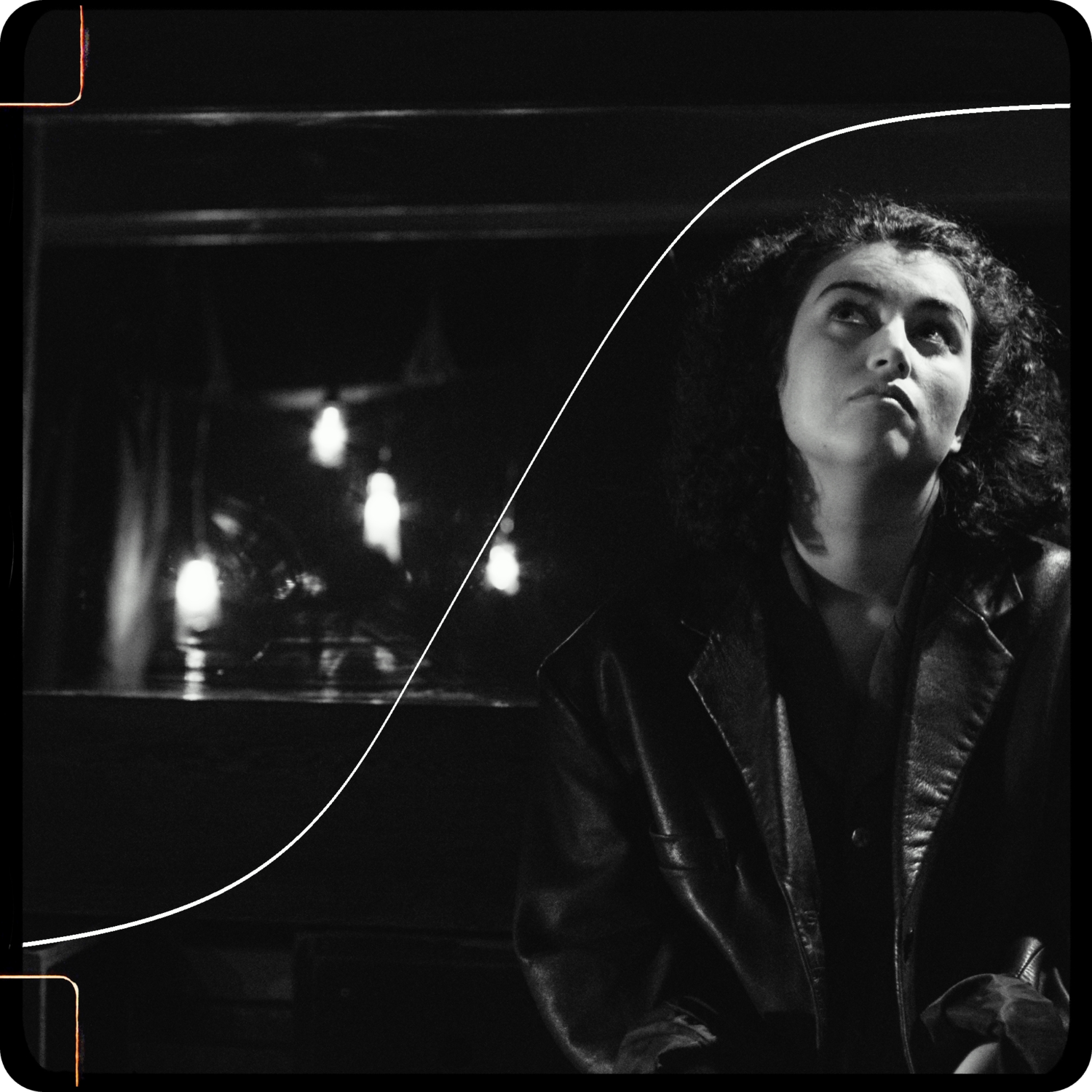
Inspired by the study of sensitometric curves in analog film, DEEPCURVE is an intuitive tool for shaping contrast. It features sliders to control the slope, shoulder, and toe of the curve, enabling highly customizable adjustments. Unlike Resolve’s curve tool, which requires numerous control points, this tool simplifies the process while offering greater accuracy. It also ensures neutral gray is preserved when adjusting contrast—a critical feature for cinematographers aiming for consistent results.
TONESPLIT
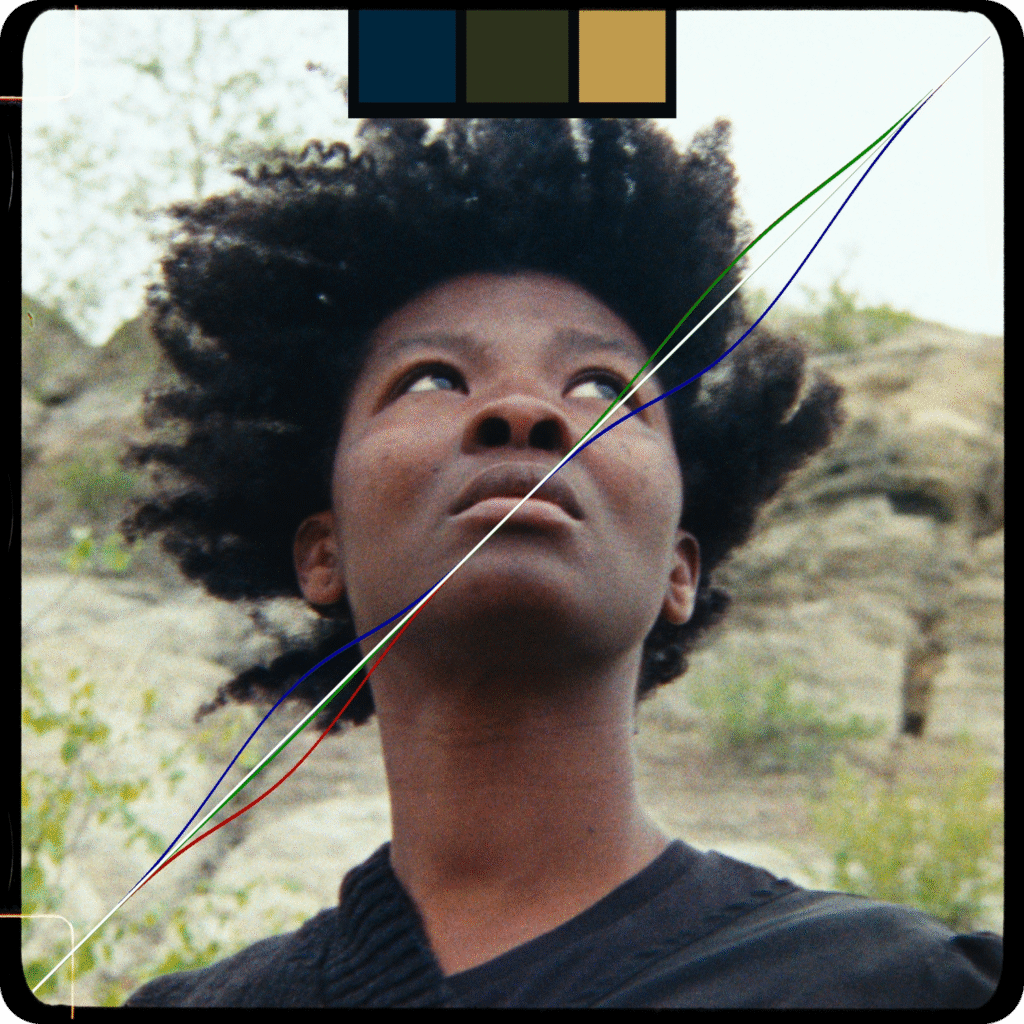
Inspired by the behavior of film stocks, TONESPLIT is an intuitive tool for precise color grading. It allows users to apply distinct color tones to the shadows, midtones, and highlights of an image. A superimposed curve helps adjust the hue and pivot points, defining where tonal shifts begin or end. It offers enhanced control compared to Resolve’s native curve or wheels tools, enabling precise tonal adjustments.